
Beyond Features: The Critical Non-Functional Gap
Beyond Features: The Critical Non-Functional Gap
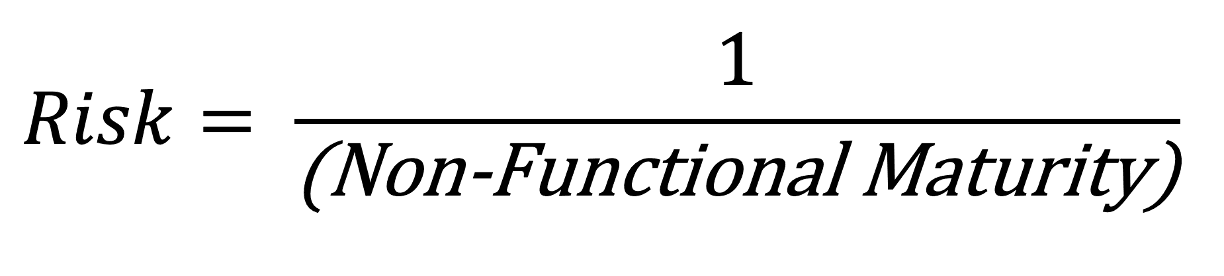
Users today expect products to be fast, reliable, and stable, not just feature-rich. Yet many traditional squads lack strong non-functional engineering skills, causing performance and resilience testing to be overlooked.
This gap introduces real risks to customer experience, system quality, and long-term scalability.
To address this, teams should establish a focused non-functional engineering competency that is fully owned and embedded into delivery.
From our conversations with customers, it’s clear that many teams are struggling to keep pace with the growing demands of performance, reliability, and stability. A consistent theme is emerging:
Non-functional engineering is not being prioritised at the level required to protect customer experience.
To bridge this gap, we recommend that teams:
• Make non-functional engineering a planned and explicitly owned capability. When no one is directly responsible, it inevitably falls between the cracks.
• Embed non-functional requirements into the product lifecycle from the start. These considerations should shape architecture, design, and release processes, not appear as late-stage checks.
• Represent non-functional work clearly in roadmaps and delivery plans. If it’s not visible, it won’t be prioritised.
• Build a dedicated competency with the right skill sets. Expecting Dev, QA, or SRE to handle this “on the side” leads to gaps in quality.
• Use this capability to strengthen existing engineering roles. Specialised non-functional expertise complements and elevates Dev, QA, and SRE teams.
Alongside dedicated expertise, Dev, QA, and SRE should expand their non-functional skills to improve early detection and resilience.
Strong features matter, but performance and resilience make them real.